
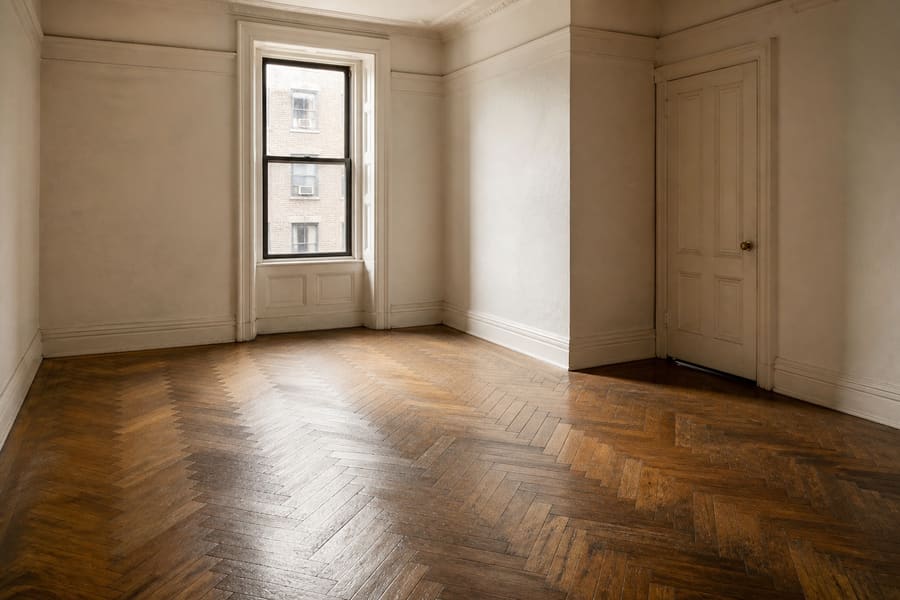
Prewar apartment houses
Original oak strip, parquet and herringbone, often over sleepers on a concrete slab. These floors have usually been sanded before, so how much wood is left decides whether you are refinishing or recoating.
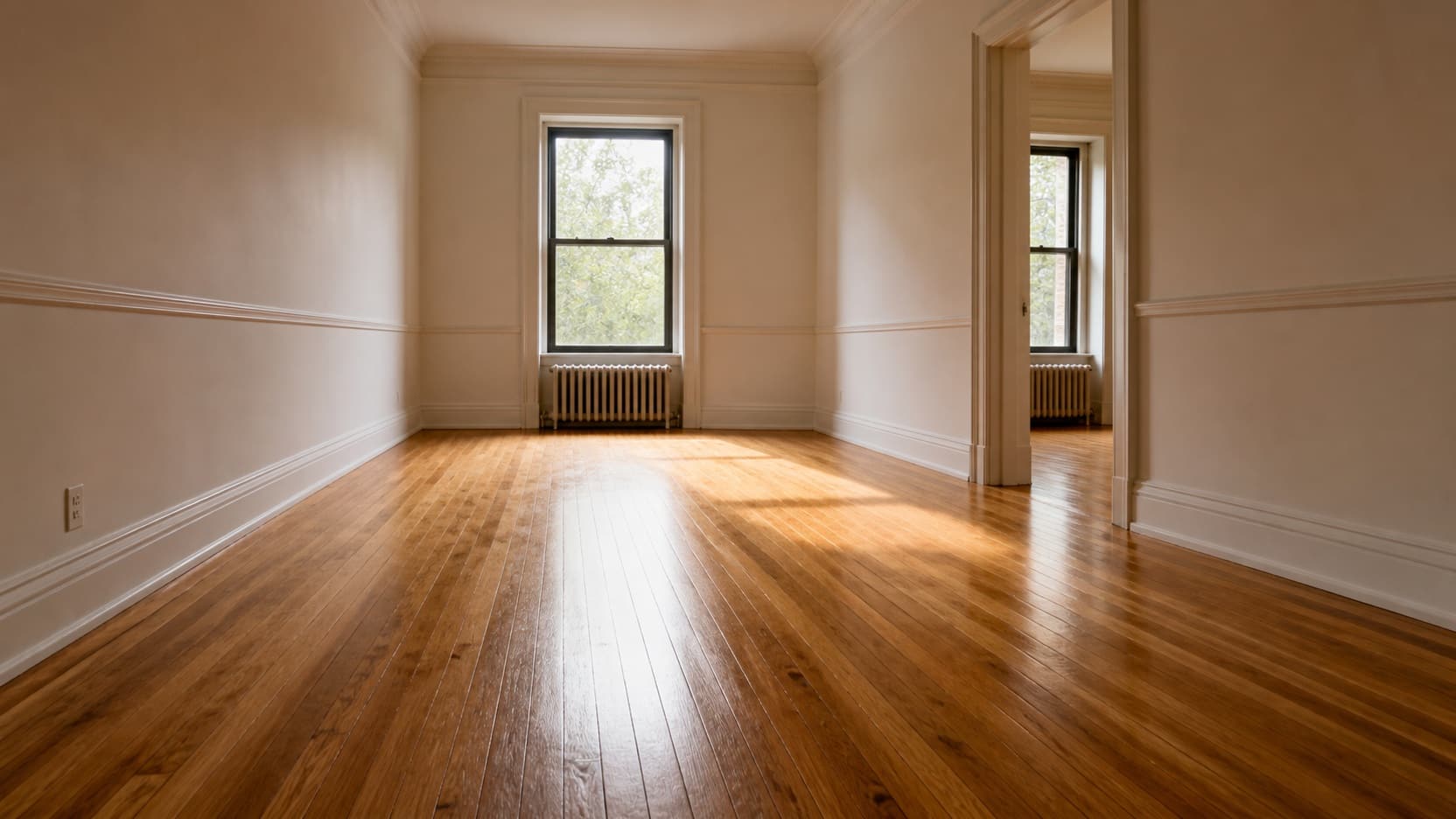
We refinish, install and repair wood floors across Manhattan. Prewar co-ops, postwar condos, lofts and walk-ups each have their own rules about how the work can happen, and we plan the job around them rather than around them being ignored.
A name, a number and a line about the room is enough to start.
The questions that decide a Manhattan floor job, answered before you call.
Usually yes. Refinishing is normally cosmetic work that needs no city permit, but most co-ops still want notice and a short alteration agreement before anything starts. Every building writes its own, so there is no single form that clears them all.
A certificate of insurance that names both the co-op corporation and the managing agent. Buildings commonly ask for one million per occurrence and two million aggregate, plus workers compensation and disability.
New York City allows construction on weekdays from 7am to 6pm, and anything outside that needs an after hours authorisation. Plenty of buildings set a tighter window than the city does, so yours is the one that counts.
That is the first thing we look at in a prewar apartment. A floor that has been sanded several times over a century has a limit, and when it is close we say so and recoat instead of taking more wood off.
Six kinds of floor work. If you are not sure which one you need, start with the one closest to your problem and we will tell you.
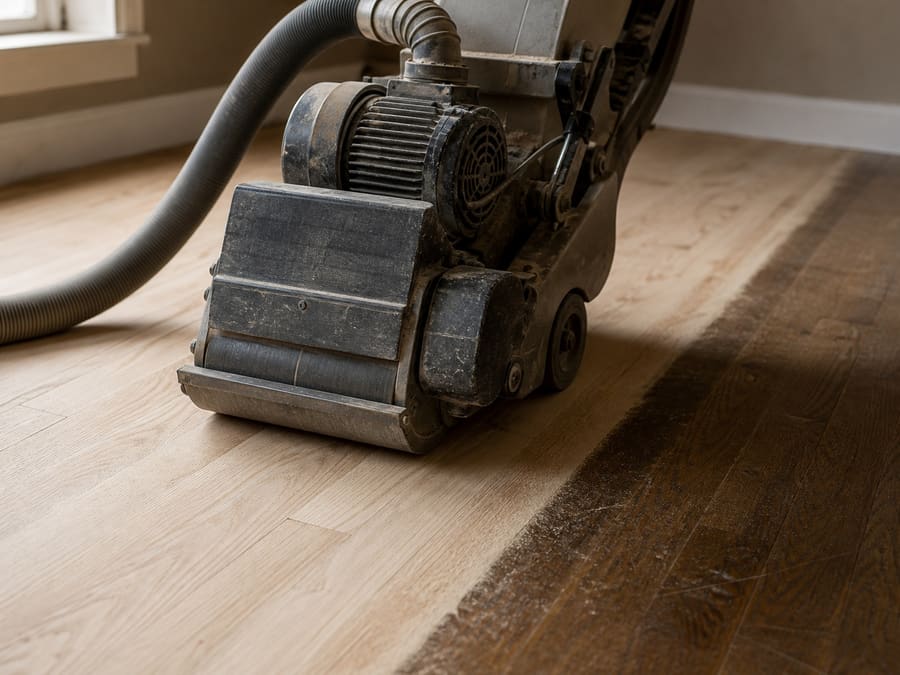
Sanding back to bare wood, then staining and finishing. This is what brings a tired prewar floor back, and it is usually the cheapest way to get a floor you are happy with.
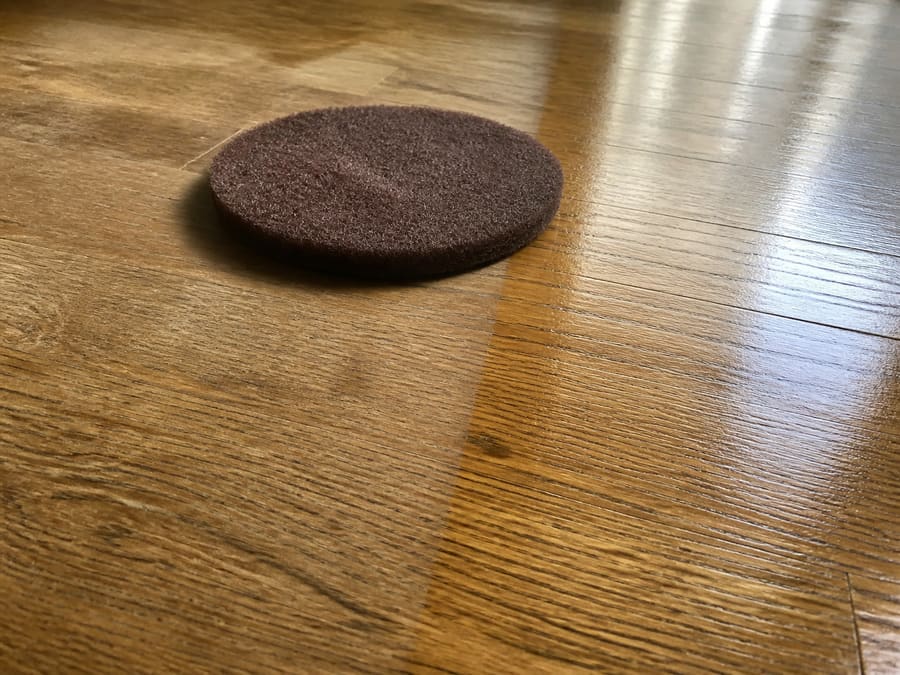
A new coat of finish without sanding to bare wood. One day instead of several, and the answer when the finish is worn but the wood underneath is sound.
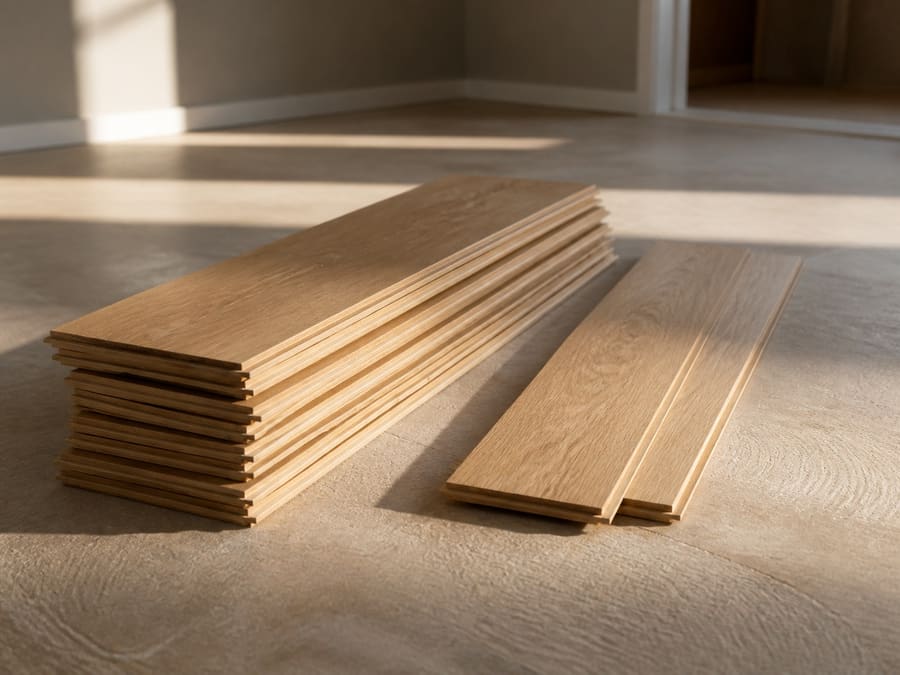
New floors in solid or engineered wood. Most of what decides how a floor turns out happens before the first board goes down, in the subfloor underneath it.
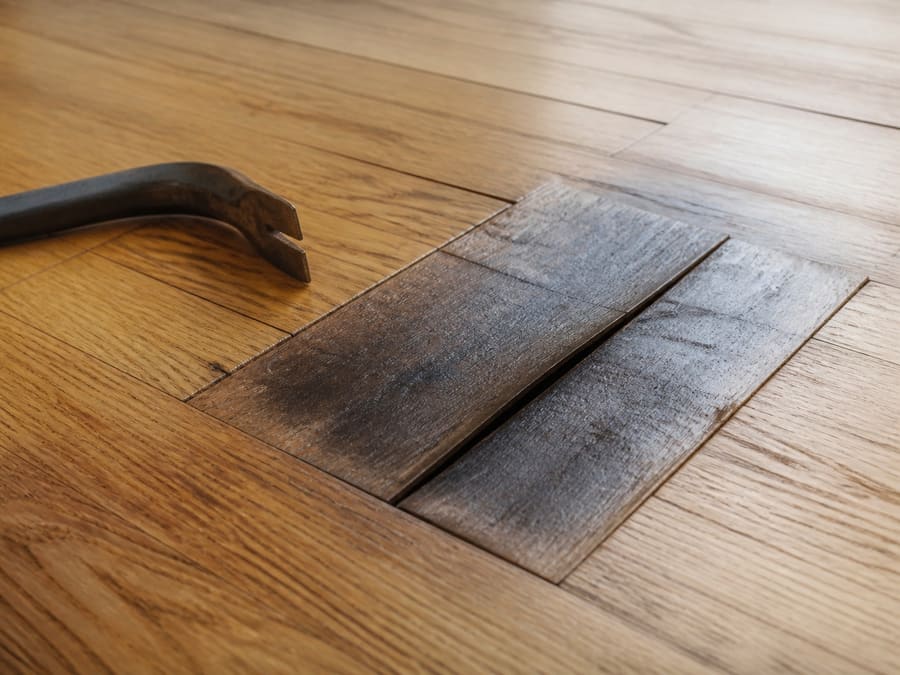
Water damage, loose and squeaking boards, gaps that open every winter, and board matching in old parquet and herringbone.
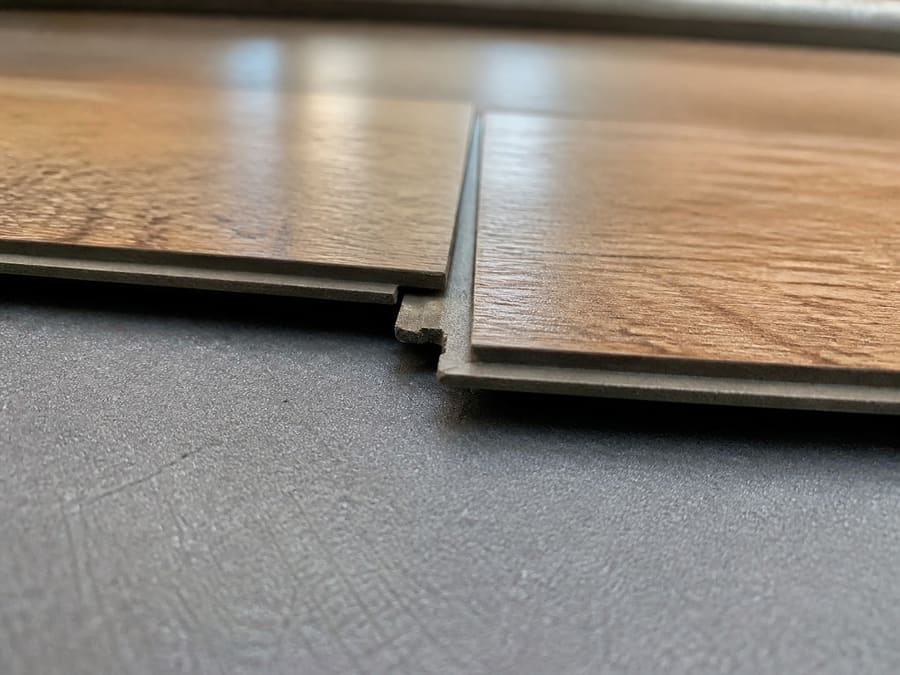
A hard wearing floating floor that goes down fast. The subfloor under it and the underlayment your building specifies decide whether it works.
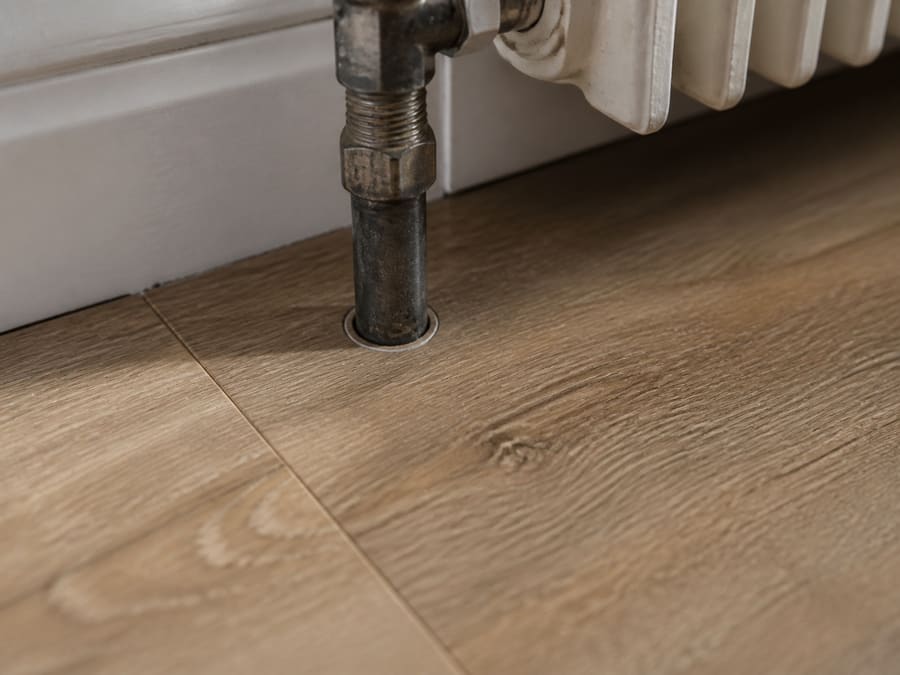
The one floor here that is genuinely waterproof, so it goes in the kitchens, bathrooms and slab level rooms where wood should not.
Not sure which of those is your job? That is the most common reason people call.
Call (929) 207-0334A Manhattan floor job is decided by the building as much as by the floor. There is no driveway to stage from and no yard to cut in. Material comes up a service entrance or a freight elevator in a slot somebody booked, debris goes back down the same way, and the day the work can start is the day the building says it can.
We plan that part with you before anything is ordered. That means knowing which elevator we can use and when, what your managing agent needs from us on paper, and how much of the apartment has to stay usable while the work runs.
We also tell you when the smaller job is the right one. A floor whose finish is worn but whose wood is sound does not need sanding, and a floor with one bad patch does not need replacing. Saying so costs us a bigger invoice and saves you a floor you cannot get back.
Three patterns cover most of Manhattan, and each one changes the work in a different place.
Original oak strip, parquet and herringbone, often over sleepers on a concrete slab. These floors have usually been sanded before, so how much wood is left decides whether you are refinishing or recoating.
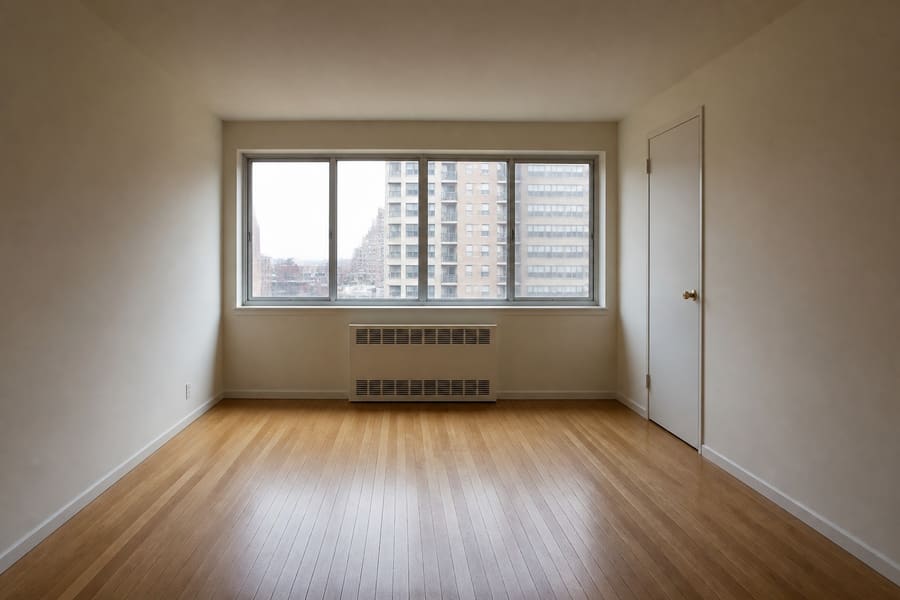
Thinner floor assemblies and much more sensitivity to sound moving between apartments. These are the buildings with the strictest underlayment specifications, and the spec is written into what you are allowed to install.
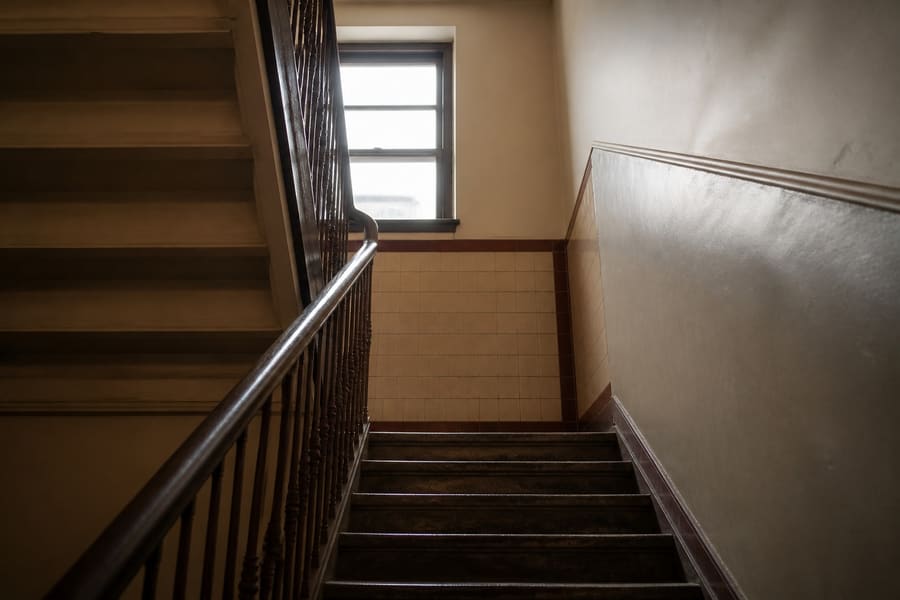
In a walk-up every machine, every bundle of flooring and every bag of debris goes up and down the stairs, which changes the schedule and the labour. In a loft it is wide plank over long spans and a freight elevator with booked slots.
Tell us the floor and the building, and we can usually place the job on the first call.
Call (929) 207-0334We work across Manhattan. That includes Gramercy and Kips Bay, where we are based, along with Murray Hill, the Upper East Side, the Upper West Side, Chelsea, Greenwich Village and the West Village, Tribeca and SoHo, Midtown East and Turtle Bay, the Financial District and Battery Park City, Harlem and Morningside Heights, and the East Village and Lower East Side. Washington Heights, Inwood and Roosevelt Island are all inside the area we cover.
The neighbourhood matters less than the building. An Upper East Side prewar co-op and a prewar co-op on the Upper West Side are the same job, and a loft in Tribeca and a walk-up in the East Village are not.
The same wood floor work in every borough, and a page for each one.
Apartment blocks, two and three family houses, and parquet floors that often have more life in them than people expect.
Brownstones and row houses with original boards, alongside new build condos with engineered floors over concrete.
Attached and semi detached houses, garden apartments and co-ops, each with its own access and scheduling reality.
Mostly detached houses, which usually means easier access, fewer building rules and more floor area at once.
What a floor job costs, what your building asks for before it starts, and the whole picture in one place.
Tell us what the floor is doing and what building it is in. If you already know what your managing agent needs, bring that too.